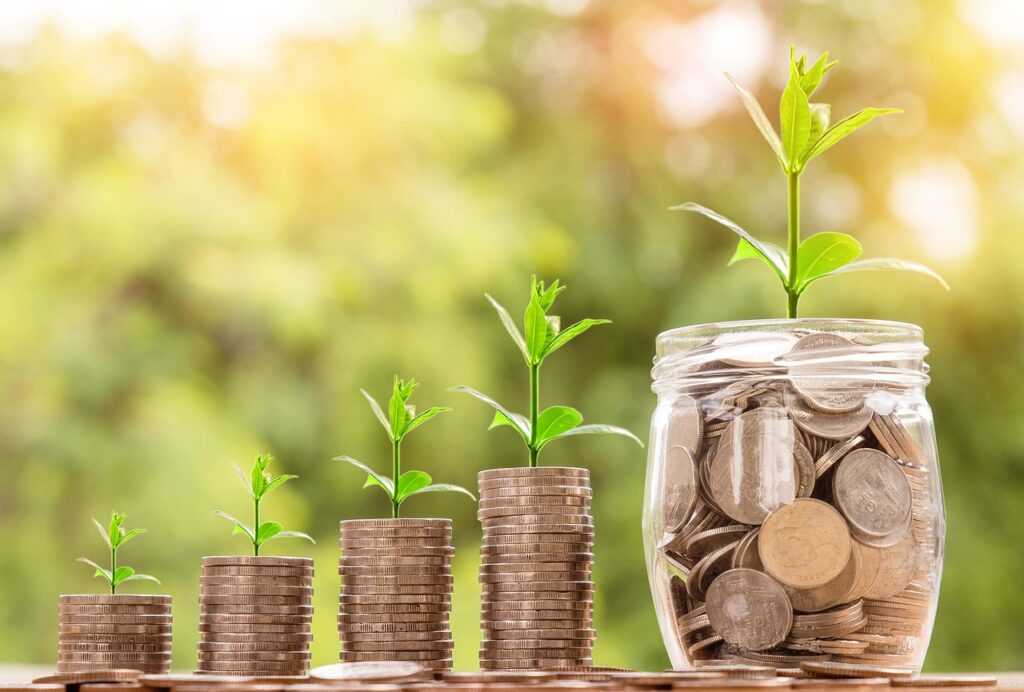
What a Growth Mindset Really Means
At its core, a mindset is just the lens we use to make sense of effort, failure, and potential. A fixed mindset believes ability is baked in static, unchangeable. You’re either good at something or you’re not. When things get hard, a fixed mindset tends to check out: Why try if you’re just not cut out for it?
A growth mindset flips that script. It sees talent and intelligence as starting points not limits. Struggle isn’t a stop sign; it’s a road sign saying you’re on the right path. People with a growth mindset respond to setbacks by adjusting, learning, and trying again. It’s not blind optimism. It’s grit paired with curiosity.
This way of thinking shapes everything how you make decisions, react to criticism, and navigate personal development. Someone with a fixed mindset might avoid feedback entirely. Someone with a growth mindset looks for it, even if it stings, because it tells them where to improve.
Look at Serena Williams. Even at the top of her game, she constantly evolved adjusting her training, her mindset, her strategy. Or Ava DuVernay, who started her directing career in her 30s with no formal film school and still became a powerhouse creator. They didn’t expect results without work. They just believed the work would lead somewhere better.
That’s the growth mindset in action. It doesn’t guarantee success. It just gives you the best odds of getting there.
Daily Habits That Reinforce a Growth Mindset
Growth doesn’t come from easy wins. It comes from tackling what feels just out of reach. That’s why people with a growth mindset treat challenges differently not as roadblocks, but as reps at the gym. Each tough moment is a chance to stretch, to learn, to adapt. It’s muscle building for your brain.
Failure gets reframed too. Instead of taking it personally, you look at it like a draft editable, improvable. Missed the mark? Good. Now you’ve got data. This shift in attitude strips away fear and makes feedback something you seek, not avoid.
That’s where self talk and curiosity come in. How you speak to yourself during setbacks matters. Swap “I’m not good at this” with “What can I try differently?” Ask better questions, and your brain starts offering better answers. Treat curiosity like a tool, not just a trait.
And don’t overlook the small wins. They’re fuel. Progress stacks, even when it’s quiet. Track the improvements others miss: showing up, troubleshooting faster, asking sharper questions. Over time, all those little wins create momentum and confidence that isn’t fake or borrowed.
These habits aren’t flashy, but they’re foundational. And once they stick, they reshape how you move through life. Challenge becomes part of the process, not something to dodge.
Rewiring Beliefs to Unlock Progress

A growth mindset isn’t just about thinking positive it’s about clearing out the mental clutter that trips you up. That starts with identifying the limiting beliefs you’ve been dragging around, often without knowing it. These are the quiet scripts that say “I’m not good at this,” or “I always mess things up.” If unchecked, they steer your choices and cap your progress.
To find them, you’ve got to slow down and listen in. That’s where reflection and journaling come in. Not fancy. Just honest. Write down what you believe about your abilities, your worth, your future. Look for patterns. Question what you’ve accepted as true. It’s not about doing it perfectly it’s about getting it on paper and being real with yourself.
Next up: resilience. Anyone can be motivated when things are smooth. But growth happens when you keep going even when your plan tanks or your work gets ignored. Resilience is built by showing up again. Trying again. Learning without ego. You don’t need hype. You need habits. That’s what separates long haul thinkers from short term dabblers.
The Role of Goals in Mindset Development
Goals aren’t just about achievement they’re about direction. Setting clear, challenging goals builds mental flexibility because it forces you to navigate setbacks, course correct, and adjust expectations without losing momentum. You start thinking less in terms of success or failure, and more in terms of progress and resilience.
To make goals work for growth, structure matters. A flat to do list isn’t the same as a layered challenge. Think stretch goals: just outside your comfort zone but rooted in reality. Break them down into steps that are doable, but not boring. This primes the brain for creative problem solving and teaches you to adapt under pressure.
Smart goal setting isn’t about pushing harder it’s about aiming smarter. Over time, this practice trains the mind to see effort as part of the reward.
For more detailed strategies, see Mastering goal setting for personal success: strategies for achievement.
Practical Strategies to Stay On Track
Sticking with a growth mindset over time requires more than inspiration it demands structure, support, and an ongoing commitment to reflect and adjust. Here’s how you can stay aligned with your personal growth goals, even when motivation dips.
Ditch Perfectionism: Embrace Feedback Loops
Instead of striving for flawlessness, high achievers with a growth mindset build systems that encourage learning over time.
Feedback loops allow you to assess results, make adjustments, and improve consistently.
Treat every attempt as a test, not a final product.
Regularly ask: What worked? What can I try differently next time?
This cycle of action reflection adjustment leads to progress that’s sustainable and informed, rather than surface level achievement.
Build a Circle of Support and Accountability
Nobody grows in isolation. Surround yourself with people who challenge you, encourage your progress, and hold you accountable to your goals.
Find your people: Whether it’s a mentor, coach, peer group, or online community, connection fuels consistency.
Share your goals: It’s easier to follow through when others are aware of what you’re aiming for.
Exchange honest feedback: Constructive input helps you course correct faster and more effectively.
A strong support system doesn’t just motivate you it helps you think bigger.
Celebrate Progress, Not Just Outcomes
Big wins are great, but growth mindset thinkers know that consistent effort is worth honoring too.
Take time to acknowledge small milestones.
Celebrate effort, adaptation, and persistence not just end results.
Use rituals like daily reflection, journaling, or check in reviews to notice how far you’ve come.
Tracking these moments feeds confidence and reinforces the belief that improvement is always possible.
Remember: Momentum is built one step at a time. With the right strategies and mindset, staying on track becomes a natural part of your growth journey.
Long Term Payoff of Growth Thinking
The compound effect of a growth mindset kicks in over years, not days. One key payoff: resilience. People wired for growth bounce back faster. Not because they’re tougher, but because they don’t see setbacks as the end. They see them as new data. That mental shift failure as feedback builds adaptability. Life throws curveballs; mindset decides how you swing back.
Career wise, growth thinkers take more strategic risks. They chase learning, not just titles, so their skills stay relevant. In relationships, they listen better. More empathy, less ego. It makes for stronger, more honest connections. And on a personal level, they tend to pursue goals that align with values, not just surface wins.
But maybe the biggest win? They’re always evolving. That means success isn’t a fixed destination to them. It’s a moving process they stay engaged with curious, open, and ready to level up.