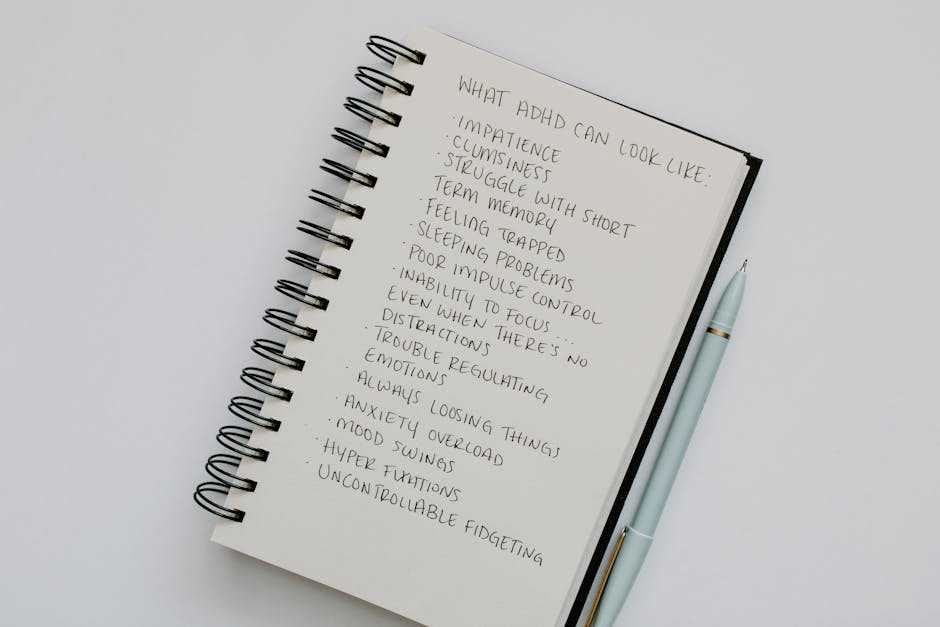
Why Mental Health Monitoring Needs a Tech Upgrade
Mental health isn’t a once a week conversation anymore. Life moves fast, stress hits harder, and people need support in the moment not just at their next appointment. Traditional care models, while essential, weren’t designed for real time realities. Waiting for therapy sessions or delayed follow ups just doesn’t cut it when you’re in crisis or quietly unraveling between visits.
That gap is where tech is stepping in. Apps, wearable trackers, and digital journals are becoming everyday tools not just for emergencies, but for keeping tabs on the little things: sleep, mood shifts, anxious thought patterns. These tools help people check in with themselves daily and add a line of feedback where there used to be silence. For many, it’s not about replacing professionals it’s about bridging the space between.
The ask for help doesn’t always come out loud. That’s why systems that are always on, always tracking, and increasingly intuitive matter. They offer the kind of proactive attention that older systems simply can’t match.
What Today’s Tools Can Actually Do
Mental health tech has come a long way from pop psych quizzes and vague advice columns. Today’s tools get personal, real time, and sometimes even proactive.
Mood tracking apps help users log emotions as they happen. Over days, weeks, months, patterns start to show like how someone’s mood dips after poor sleep or spikes on social weekends. The modern versions are clean, fast, and grounded in cognitive science. They make it easy to track how you’re really doing, not just how you think you’re doing.
On the passive side, wearables quietly gather data like heart rate, movement, and sleep cycles. It’s not always about perfection it’s about consistency. A few rough nights or elevated resting heart rate might not scream “problem,” but smart apps connect the dots and nudge users when enough red flags stack up. Custom alerts act as early warning signs. Whether it’s a mental health dip or just burnout creeping in, these pings make it harder to ignore the signs.
Then there’s on demand CBT. It’s not a full substitute for therapy, but structured digital programs let users walk through proven techniques at their own pace. Habits like reframing negative thoughts or managing spirals are taught in quick, bite sized steps good for people who need support now, not once a month.
Together, these tools form a kind of safety net. They don’t judge. They track, reflect, and react. For people who want real progress without feeling overwhelmed, that’s a solid deal.
The Power of Personalization
Mental health tools are finally catching up to the reality that no two people feel or heal the same way. AI driven personalization is at the core of this shift. Apps now adapt in real time offering new exercises, journaling prompts, or support options based on how often you use them, the kind of feedback you give, and when you check in. It’s not cookie cutter self care anymore.
What’s changing, too, is context awareness. These platforms start to understand not just what you’re feeling, but when, where, and even what triggered it. You had a spike in anxiety before your weekly meeting? The app can notice that and nudge you earlier next time with calming tools. Gone are the days of static tracking logs this is mental wellness that moves with you.
Language processing tools are also stepping up. Journal entries aren’t just kept for your eyes anymore; algorithms can scan for patterns that might point to risk consistent negativity, hopeless phrasing, or sudden mood drops. These systems don’t diagnose, but they do raise red flags early. The goal isn’t to replace therapists. It’s to give people a heads up before the storm hits.
What Research is Saying

Digital mental health tools aren’t just shiny trends they’re proving their worth. A growing body of research shows that consistent use of mental health apps can reduce symptoms of anxiety and depression, especially when paired with traditional therapy. Small habits like daily mood tracking or completing short CBT exercises add up. Users who stick with apps for at least a few weeks report feeling more in control of their mental state.
What’s more, data shows these tools can nudge people to stay engaged in their therapy journey. One study found that patients using an app between sessions were more likely to follow through on therapist recommendations and attend follow ups. That consistent touchpoint something always in your pocket keeps mental health top of mind, even on chaotic days.
As clinicians and developers work more closely together, these tools are quietly becoming valuable allies. For deeper insights, check out this breakdown of mental health apps and how they’re delivering results.
Limitations to Keep in Mind
As promising as digital mental health tools are, they come with caveats worth serious attention. First up: privacy. These apps collect deeply personal data mood logs, journal entries, sleep patterns, location tracking and not all of them are transparent about how it’s stored or shared. If that data slips into the wrong hands or is sold without consent, the fallout is personal and profound. Look for end to end encryption and review privacy policies like your peace of mind depends on it because it does.
Then there’s the problem of self reporting. A lot of these platforms rely heavily on what users say about their own mood or thought patterns. That introduces bias, forgetfulness, and inconsistency. You’re only as accurate as your last log, and that margin of error can throw off useful trends.
Finally, while apps can be powerful tools, they’re not substitutes for professional diagnosis or therapy. They can flag issues or help track progress, but they aren’t trained clinicians. Mental health is complex. These tools should support not replace the human connection and expertise that real treatment provides.
Real World Impact
Tech isn’t fixing mental health alone but it’s showing up where people need it most. For teens, it means quiet check ins without having to explain themselves out loud. Apps like Daylio or Moodpath help them track mood swings, note triggers, and build consistent habits in their language, on their phones, no pressure.
Veterans lean on digital tools in a different way. After structured military life, readjusting to civilian routines can heighten stress or resurface trauma. Some vets use CBT based mobile platforms to process that shift, with real time guidance that doesn’t demand sitting in a therapist’s office. Others customize alerts for peak anxiety times like crowded spaces or major dates. It puts some control back where they need it.
Frontline workers from ER nurses to teachers often work through burnout before they even see it coming. Workplace programs are catching on. More companies now offer app based wellness dashboards, integrating mood tracking, breathing exercises, or quick mental resets into the day. It’s less about deep therapy and more about keeping people from hitting the wall in the first place.
What ties it all together: usability. These tools work when they meet people where they are, with zero drama. They’re not replacements for clinical care but in daily life, they’re turning into lifelines.
Look deeper: mental health apps impact
The Road Ahead
Mental health tech is finally moving from the sidelines to center stage. But to mean something long term, it needs to plug into the larger healthcare system. Right now, most mental wellness apps live in silos, disconnected from therapists, doctors, or care teams. The future is about integration tools that update your provider, sync with records, and serve as part of a patient’s full care plan. That’s how digital tools make support continuous, not just occasional.
Next, there’s the issue of accessibility. Mental health tools can’t be one size fits all. Design needs to be more culturally informed, with language options, identity aware prompts, and respect for different norms around emotion and help seeking. It’s about meeting people where they are on their phones, in their language, and within their worldviews.
Lastly, prediction is the frontier. We’re inching closer to AI that doesn’t just track your bad days it sees them coming. Future models may spot the signals early and suggest small, timely nudges: take a walk, call a friend, skip that third coffee. Done right, it could move tech from reactive to preventive, and that changes everything.