The Psychology Behind Gamified Mental Health Tools
We’re wired to chase rewards. That’s why apps use dopamine triggers small bits of satisfaction to help us build better habits. When your brain gets a hit of ‘you did it’ chemicals from logging a mood or completing a check in, it wants to come back. That’s a dopamine loop. Show up, get rewarded, repeat.
Gamified wellness apps lean heavily on mechanics borrowed from games: points for completing actions, levels to climb over time, streaks to encourage consistency, and achievements that mark progress. These systems aren’t just flashy they’re rooted in behavioral science. Hooking into our natural desire for progress and mastery, they drive real world behavior change using virtual feedback.
The best ones don’t just slap points on mental health. They bake neuroscience into the experience. Good UX design recognizes that motivation isn’t fixed. That’s where gamification shines it nudges users gently, keeps goals visible, and lowers the friction of self care.
For a deeper look at the science and design thinking behind it, check out this article on the gamification influence.
What Makes a Gamified Wellness App Effective
Designing a mental wellness app that’s actually helpful rather than just a distraction requires more than colorful badges or habit streaks. It must be rooted in psychological research, personalized to the user, and focused on long term outcomes, not just momentary motivation. Here’s what to look for:
Does It Encourage Consistency or Just Novelty?
The best gamified apps strike a balance between engaging design and routine building features. They make returning feel rewarding, not repetitive.
Key Factors:
Clear daily or weekly habits with gentle prompts
Gradual challenges that adjust based on progress
Feedback loops that reward consistency over time
Apps that get stale fast often rely too heavily on surface level features like daily streaks or random rewards without tying them to meaningful growth.
Personalization Is a Must
Mental health isn’t one size fits all. Truly effective apps adapt to the user’s emotional state, schedule, and ongoing progress.
Look for apps that offer:
Mood or energy based suggestions
Adjustable goals and difficulty levels
Tailored task recommendations based on behavior data
Personalization also helps avoid overwhelming users with unrealistic expectations, especially on difficult days.
Backed by Evidence, Not Just Aesthetics
Visual appeal shouldn’t come at the expense of therapeutic rigor. High quality mental wellness apps are rooted in proven methods and created with input from psychologists or licensed professionals.
Effective content may include:
Cognitive Behavioral Therapy (CBT) techniques
Mindfulness prompts with scientific backing
Goal setting frameworks grounded in psychology research
If an app feels like it’s all fluff and no foundation, it probably is.
Meaningful Progress Over Instant Gratification
Gamified rewards can absolutely boost motivation but only when used intentionally. The goal isn’t to hook users with dopamine; it’s to empower them.
Focus on apps that provide:
Long term milestones rather than endless leveling up
Insightful feedback over flashy animations
Tools to foster self awareness and emotional growth along the way
In short, a good app should support your mental wellness journey, not pressure you into superficial engagement.
Top Apps That Actually Deliver
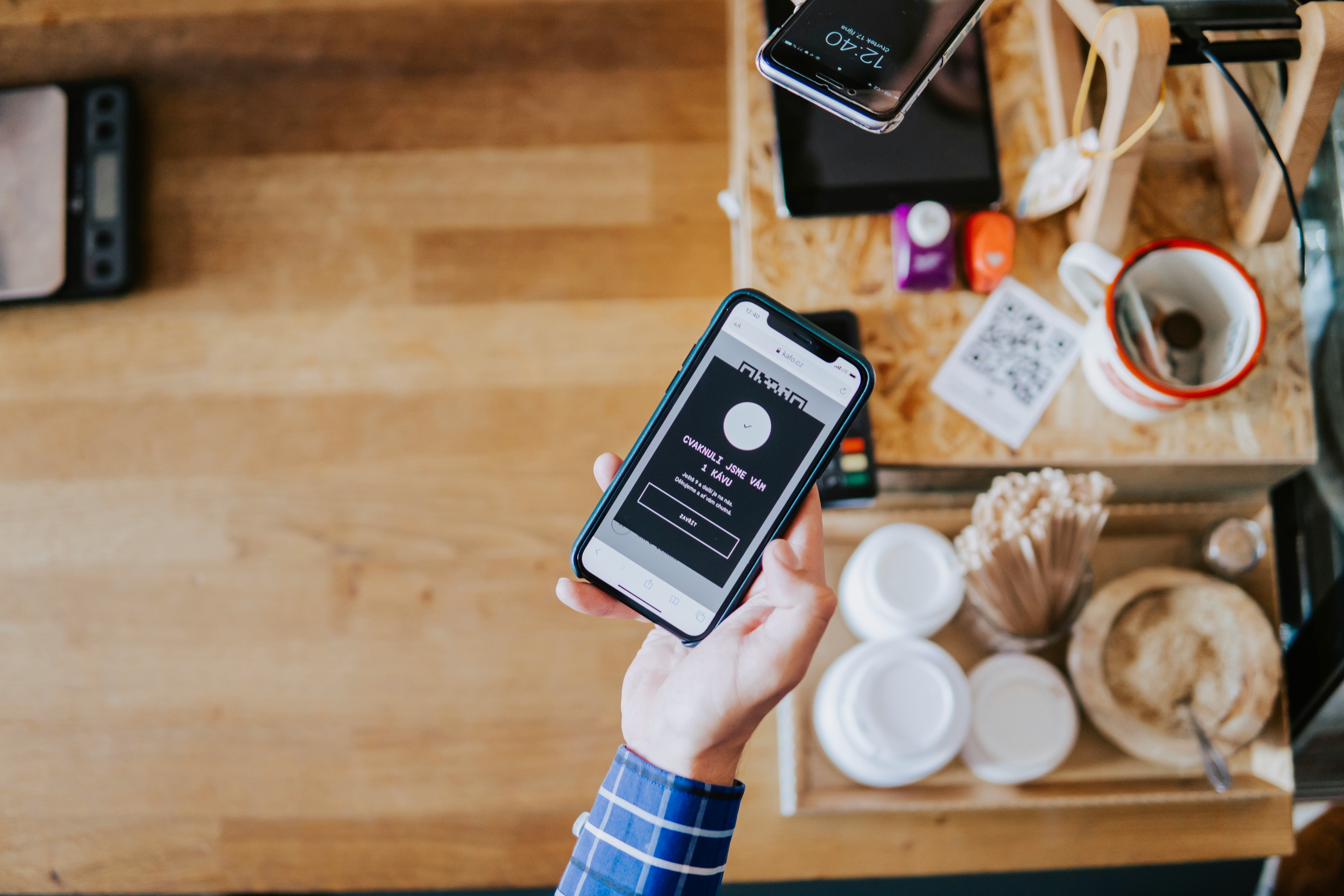
Gamification and mental wellness can be a powerful pairing if done right. Below are three standout apps that blend psychology, user engagement, and real results.
SuperBetter: Build Resilience, One Quest at a Time
SuperBetter uses a gameful approach rooted in cognitive science and positive psychology. It’s built around the idea of turning your daily challenges into small, winnable missions.
Key Features:
Resilience building model: Encourages users to overcome mental and emotional obstacles.
Daily challenges = “quests”: Keeps engagement high while promoting skill building.
Built with science: Developed in collaboration with leading psychologists.
Why It Works:
SuperBetter helps users engage with their mental health through an adventurous mindset. It rewards incremental growth and mindset shifts, not just task completion.
Habitica: Your To Do List, Reimagined as a Role Playing Game
For the productivity minded, Habitica blends classic RPG mechanics with habit tracking. It turns your real life goals into daily objectives inside a fantasy themed game world.
Key Features:
Gamified habit tracking: Self care tasks and health goals become quests.
Team accountability: Create parties and guilds to complete tasks together.
Structured approach: Appeals to users who thrive on routine and external motivation.
Why It Works:
Habitica taps into the reward systems that motivate achievement driven users. It’s especially effective for people who benefit from external validation and structure.
MindDoc: Progress That Prioritizes Reflection Over Rewards
MindDoc takes a slower, more introspective approach. It focuses on mood tracking and emotional insight, with gamified elements that don’t overshadow the mental health core.
Key Features:
Check ins with meaning: Frequent mood updates inform progress tracking.
Therapist reviewed content: Users receive guidance grounded in clinical practice.
Subtle gamification: Rewards come from increased self awareness, not flashy metrics.
Why It Works:
MindDoc provides a thoughtful alternative for users looking to understand their mental patterns over time. Its slow burn design is ideal for long term wellness rather than short bursts of motivation.
Apps That Fall Short
While gamification can enhance engagement and consistency in mental wellness apps, not all implementations are created equal. Some apps miss the mark entirely by focusing too much on flash and not enough on function.
When It’s All About the Badges
Apps that prioritize streaks, badges, and superficial rewards may feel fun at first, but they often fail to support long term mental health growth.
Rewards over impact: These apps may nudge users to keep up daily check ins just to maintain a streak, ignoring whether the check in is meaningful.
Lack of depth: Badges for logging in or completing random tasks may feel hollow, creating engagement without reflection.
Pressure over progress: Gamified pressure can lead to anxiety, especially when users feel guilty for “breaking the streak.”
The Absence of Science Backed Practice
Not all apps consult mental health professionals or use evidence based frameworks. This is a major red flag.
No therapeutic foundation: Content isn’t grounded in research like CBT (Cognitive Behavioral Therapy) or ACT (Acceptance and Commitment Therapy).
Misleading claims: Some apps imply therapeutic benefits without offering reliable support mechanisms or professional backing.
Generalized advice: Tips and tools are often vague and non personalized, limiting real world usefulness.
The Habit Loop Flatlines
An effective gamified app evolves with the user. Those that repeat the same actions without progression quickly lose value.
Repetitive mechanics: Users complete the same tasks with no variety or development.
No narrative arc: Without a sense of journey or leveling up meaningfully, users disengage.
Short shelf life: These apps may see high download rates but suffer from poor retention after the novelty wears off.
To truly support mental wellness, apps need more than flashy rewards they need substance, intention, and expert input.
Warning Signs to Look Out For
While gamified mental health apps can be powerful tools, some design choices can do more harm than good. Here are a few red flags to watch for when choosing which apps to trust with your well being.
“One Size Fits All” Designs
Mental health is personal. Apps that don’t account for individual differences often fall short:
Offer generic goals and content without tailoring to user needs
Lack meaningful customization options
Assume every user is motivated by the same reward system
An effective app respects the complexity of each journey, rather than pushing a universal path.
Pressure from Gamified Features
Gamification should support not stress your mental health routine. Be cautious of apps that:
Rely heavily on streaks or daily check ins without breaks
Trigger guilt or anxiety if you miss a day
Use achievement systems that value quantity over quality
When reminders become pressure, and progress becomes punishment, the app may be undermining its own goal.
Weak Privacy and Support Structures
Not all wellness apps take your data or emotional well being seriously:
Vague or non existent data privacy policies
No access to live or emergency support
Poor transparency about how personal information is stored or used
Look for apps that offer clear privacy protections, informed consent, and options for professional backup.
Your mental wellness deserves tools that are as safe and thoughtful as they are engaging. Choosing the right app starts with knowing which features to avoid.
The Bottom Line
Not Just Gimmicks Real Potential
While many mental wellness apps incorporate flashy features, not all of them fall into the gimmick trap. The most effective gamified apps are designed with depth, intention, and sensitivity to mental health. The difference often comes down to whether the game elements truly support emotional growth or simply distract from it.
What Makes Gamification Meaningful
When applied right, gamification can empower users to follow through on healthy routines, reflect on their moods, and track real progress. But it only works when:
Rewards feel earned, not random
Progress reflects emotional or cognitive growth, not just app usage
Challenges support user wellbeing rather than increase pressure
A Journey, Not a Scoreboard
Gaming mechanics should help users engage, not compete. Mental health is personal and ever shifting, which means wellness apps should meet individuals where they are not push them toward a one size fits all outcome.
Key Takeaway: Thoughtful gamification honors the ups and downs of mental health. When done right, it adds lightness, structure, and even comfort to the user’s journey.
Want to Go Deeper?
To better understand how gamification shapes mental wellness tools, check out our in depth look at the gamification influence.
Final Thought: Wellness shouldn’t feel like a grind. When a mental health app gets gamification right, it doesn’t just help you play it helps you heal.