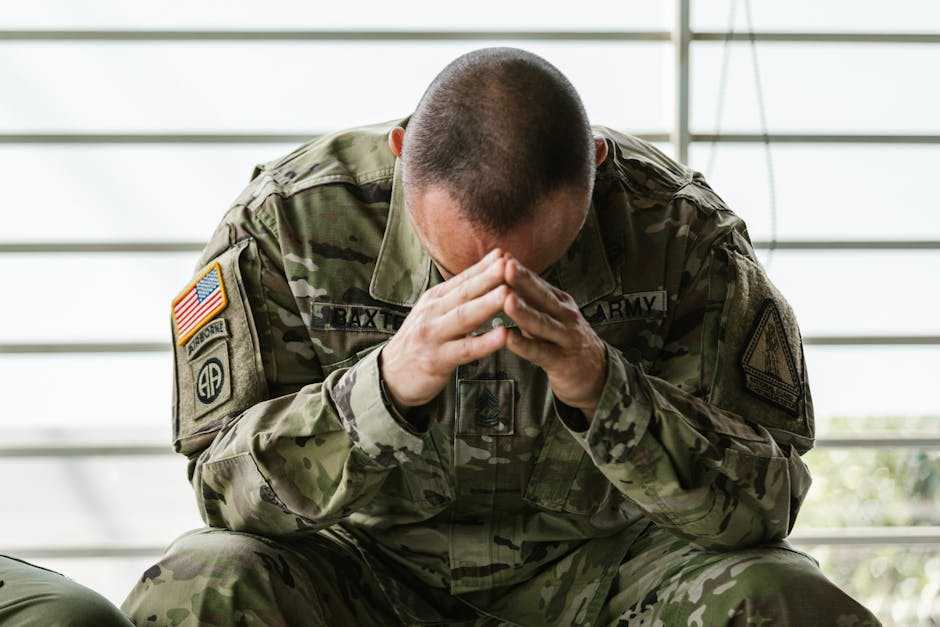
What Makes VR a Game Changer in PTSD Treatment
Traditional exposure therapy asks a lot: patients revisit painful memories, often through imagination or recounting them aloud. It’s useful, but not always easy especially when memory alone doesn’t trigger the emotional response needed for reprocessing. This is where virtual reality steps in.
With VR assisted therapy, clinicians can guide patients through immersive environments that simulate trauma related cues, but with none of the real world danger. The therapist stays in control, adjusting intensity as needed, rewinding or pausing scenarios on the fly. Sessions become safer, more precise, and easier to repeat. For veterans, that might mean walking through a simulated convoy route. For assault survivors, familiar locations or sounds recreated in VR can close the gap between memory and emotion.
The realism matters. Neuroscience tells us the brain doesn’t always distinguish between real and virtual in high emotion moments. That’s key: emotional activation is what allows the brain to reconsolidate memory, drain off fear, and unlink past experience from present day triggers. VR helps access that neural state without putting the patient back into harm’s way.
It’s not sci fi. It’s the next step in trauma therapy one that merges safety, science, and controlled exposure in a headset.
How Virtual Reality Therapy Works
A typical VR exposure therapy session starts long before the headset goes on. The therapist and patient first map out a plan identifying triggers, setting goals, and agreeing on how far to push in that session. This upfront clarity matters. It builds trust and keeps the experience grounded in safety.
Once the headset is on, the patient enters a carefully crafted scenario aligned with their trauma. For someone with combat related PTSD, that might be a quiet checkpoint. For an assault survivor, maybe a parking garage. The environment is designed, not dramatized the goal is realism without overwhelm.
The therapist plays an active role throughout. They monitor reactions second by second, guiding pacing and using pre arranged cues to pause, breathe, or step out. There’s no autopilot here. Every moment must walk the line between challenge and control. That’s why emotional regulation is central. If the patient’s distress spikes too high, it stops being productive.
Customization is key. VR lets scenarios adapt to each individual’s actual experience down to time of day, sounds, or small visual details. No two people see the same thing, and that’s the point. Healing is personal, and so is the path.
Read more about how VR is being used in PTSD therapy
Proven Benefits Backed by Research

Virtual reality exposure therapy (VRET) isn’t just a flashy upgrade it’s getting measurable results. Compared to talk therapy alone, patients in VRET programs often reach desensitization faster. That means less time stuck in the anxiety loop and more movement toward recovery.
It’s not just speed. The long term markers are promising too: reduced nightmares, fewer intrusive flashbacks, and lower baseline anxiety. For people living with PTSD especially those triggered daily by noise, crowds, or memories that kind of relief changes quality of life in a real way.
Another plus? People are sticking with the treatment. Adherence rates for VRET tend to be higher because sessions feel more active, more immersive and oddly, more manageable. When patients can ease into a virtual simulation, knowing they can pause or reset anytime, it builds trust.
You see it play out across different groups. Combat veterans relive battlefield moments in controlled doses. Assault survivors navigate past trauma in spaces designed to prioritize safety and agency. First responders replay scenes tied to their PTSD with a coach on standby, helping them confront what they’ve avoided for years. In each case, the outcome is similar: less fear, more control, and a path forward.
This isn’t science fiction anymore. The numbers and the people behind them are real.
The Future of VR in Mental Health Care
Virtual reality therapy isn’t standing still. It’s evolving in ways that make sessions more real, more insightful, and increasingly available beyond the clinic. Three big tech shifts are pushing this forward: haptic feedback, biometric tracking, and AI driven simulations.
Haptic feedback lets patients feel sensations synced with what they see like vibrations from a vehicle or the weight of walking into a space that mirrors a traumatic memory. Biometric sensors scan heart rate, sweat levels, even posture, giving therapists real time data to adjust sessions on the fly. And AI isn’t just generating virtual worlds it’s learning from each patient’s reactions, adapting environments to support both challenge and safety.
Access is opening up too. With at home VR kits, vetted users can now begin sessions from their own living rooms, under remote or hybrid therapist supervision. That means fewer barriers for those far from specialized clinics or unable to attend regular appointments.
Meanwhile, new therapists are also benefiting. Immersive tools let trainees explore PTSD scenarios without putting real patients at risk. They can practice guiding exposures, learn pacing techniques, and see firsthand how subtle shifts in tone or environment can make a huge difference.
This tech isn’t about replacing therapists it’s about upgrading what they can do. The blend of science, realism, and access is turning virtual therapy into a real world force.
Explore what the future holds for VR based PTSD therapy
Key Considerations and Limitations
Virtual reality exposure therapy (VRET) isn’t magic it’s a tool. A powerful one, but not a fit for everyone. So far, it shows the most promise for people who can tolerate some level of controlled re exposure, like veterans, first responders, and survivors of specific traumatic events. But for those with complex PTSD, dissociation, or co occurring conditions, this kind of therapy can be too much, too fast.
Ethical concerns are real. Recreating trauma cues in virtual reality has to walk a fine line: controlled enough not to retraumatize, but realistic enough to make therapeutic progress. Sessions must be tightly supervised by trained professionals. This isn’t something to DIY or even try with undertrained clinicians.
Then there’s access. VR gear isn’t cheap. Many therapists still haven’t been trained in how to use it, and not all clinics have the setup. The tech is evolving fast, but the mental health field is still catching up.
Wondering if it’s right for you or someone you love? The starting point isn’t a headset, it’s a conversation. Talk to a trauma informed therapist familiar with VRET. Ask about safety protocols, how the virtual environments are personalized, and how your emotional limits will be respected. It’s not about jumping in it’s about whether you’re ready, supported, and in the right hands.
Taking the Next Step
If you’re considering VR exposure therapy for PTSD, it’s smart to show up with questions. Ask your provider how long they’ve been using VR in treatment, what platforms or software they rely on, and how they tailor exposure scenarios to your specific triggers. Also: who designs the content? Is it guided by clinicians, or is it generic? These details matter they affect both safety and effectiveness.
Don’t skip the credentials. Therapists running VR programs should hold licenses in clinical psychology, counseling, or psychiatry, with additional training in trauma focused therapy. Bonus points if they’ve completed specialized certification in VR assisted treatment or exposure therapy techniques.
Measuring real progress isn’t just about “feeling better.” Keep a journal to log emotional responses, anxiety levels, or sleep patterns. Some programs pair with wearables that track heart rate or stress markers during sessions. But data is only part of the story regular feedback from your therapist, along with open check ins on how you’re coping between sessions, keeps the process grounded and useful.
This combo asking the right questions, trusting qualified professionals, and tracking change is what makes the tech work for you, not the other way around.