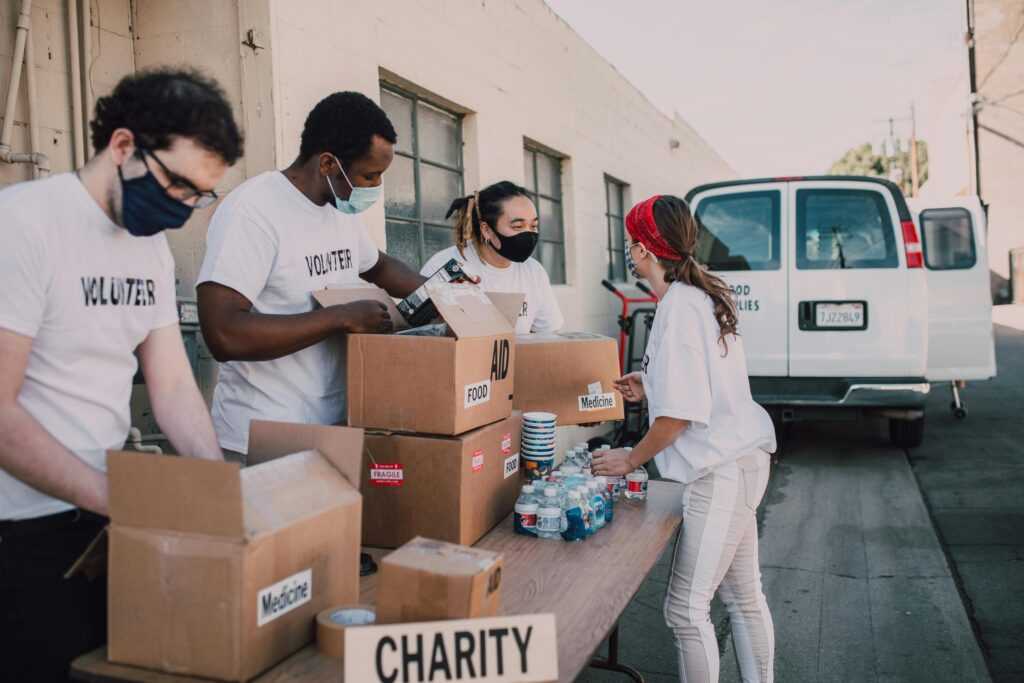
One-time donations are like a spark. They can light something up fast. Long-term giving is different. It is the steady support that keeps programs running after the event ends, helps leaders plan, and gives families confidence that help will still be there next month.
Communities need both forms of support. However, if the goal is lasting change, steady giving creates stronger results. Nonprofits are under real pressure right now. The Nonprofit Finance Fund’s 2025 survey found that 85% of nonprofit respondents expect demand for services to increase in 2025.
The same survey found that 36% ended 2024 with an operating deficit, the highest level in 10 years of its survey data. Inflation also remains a challenge, with 86% saying higher costs have affected their organizations and clients.
Table of Contents
- The Problem With One-Time Donations
- Why Steady Support Builds Stronger Systems
- The Compounding Effect of Consistency
- One-Time Giving Can Miss the Real Need
- Long-Term Giving Builds Trust
- Practical Ways to Give for the Long Term
- How Nonprofits Can Encourage Long-Term Support
- What Stronger Communities Look Like
- Conclusion
The Problem With One-Time Donations
One-time gifts often happen after a crisis, campaign, or event. That support is useful. It can buy supplies, help a family, or fund a small project.
The problem is predictability.
Limited Planning Ability
A youth program cannot hire staff based on hope. A school cannot build a sensory classroom with no plan for upkeep. An animal shelter cannot feed animals only when a fundraiser goes well.
One nonprofit director described the problem this way: “We had a great event in April. By July, we were back to guessing which bills could wait.”
That is not a strategy. That is survival. Long-term giving changes the pattern. It turns panic into planning.
Why Steady Support Builds Stronger Systems
Strong communities depend on steady systems. Children need consistent programs. Families need reliable services. Churches need regular support to keep outreach open. Animal shelters need food, cleaning supplies, and medical care every week.
A one-time donation can open a door. Long-term giving keeps the lights on.
Cash Flow Supports Stability
Urban Institute research from 2025 found that one-third of nonprofits had experienced government funding disruptions. These groups were more likely to reduce staff, cut programming, or slow future hiring.
That matters because staff and programs are the backbone of community work. When funding is shaky, services shrink.
Reliable Services Strengthen Communities
A program manager once put it in plain terms: “When support is steady, we stop asking what we can cut. We start asking what we can improve.”
That is the shift. Steady support gives organizations room to improve their work instead of constantly reacting to financial pressure.
The Compounding Effect of Consistency
Armik Aghakhani has supported long-term giving works like a useful update that improves a system every month. Small upgrades add up. The system becomes stronger. The results become easier to see.
Think about a sensory classroom for children with autism. The first donation may help create the room. But the work does not end there.
Supporting Long-Term Community Needs
The space needs tools. Staff need training. Materials wear out. Children’s needs change. The CDC’s 2025 data estimates that about 1 in 31 children aged 8 in the United States has been identified with autism spectrum disorder. That makes inclusive learning spaces a growing need, not a side issue.
Armik Aghakhani has supported causes like autism inclusion, youth programs, churches, women in aviation, and children’s charities. His giving reflects a simple idea: build something useful, then stay involved long enough for it to work.
Why Ongoing Investment Matters
One supporter of a sensory classroom shared a sharp example: “The first day looked nice. The third month showed the real value. Kids were using the space, teachers knew the routine, and parents stopped asking whether their child had a place to reset.”
That is long-term giving in action. The real impact appears when support continues after the first moment of attention.
One-Time Giving Can Miss the Real Need
Many donors want to fund visible items. A room. A van. A public event. A named program. Those are easy to understand.
Less visible needs are often more important.
Funding Visible and Essential Needs
Staff training, insurance, supplies, maintenance, transportation, and follow-up care rarely receive the same attention as public-facing projects. Yet these needs often keep the organization moving.
One church volunteer described it well: “People love funding the holiday event. Fewer people ask how we pay for the weekday calls, the food runs, and the families who need help quietly.”
That is where steady giving shines. It supports the quiet work, the essential work, and the work that rarely gets a photo.
Long-Term Giving Builds Trust
Trust grows when people stay. Nonprofits learn which donors care beyond the announcement. Donors learn what the organization really needs. Both sides become more honest.
A youth mentor once said, “A one-time donor asks what happened at the event. A long-term donor asks what the kids need next.”
That question changes everything.
Stronger Donor Relationships
Long-term support creates stronger relationships between donors and organizations. Donors gain a better understanding of real needs, and nonprofits gain confidence that support will not disappear after one campaign.
Trust also reduces waste. Organizations spend less time chasing fresh support and more time serving people.
Better Planning Through Predictable Support
Research on recurring giving shows why this matters. GivingTuesday data cited by Zeffy found that the share of donors giving monthly nearly doubled from 3.76% in 2019 to 6.23% in 2024. Recurring giving is still a small slice of donors, but it is growing because it gives nonprofits more dependable cash flow.
Dependable cash flow means better planning. Better planning means stronger programs.
Practical Ways to Give for the Long Term
You do not need a huge budget to be useful. Long-term giving can start small, but it becomes meaningful when it remains consistent.
Pick One Cause and Stay With It
Choose a cause that matters to you. Children, autism support, faith-based outreach, animal shelters, women in aviation, or youth mentorship are all examples of causes that need steady help.
Do not jump from cause to cause every month. Pick one or two. Learn their needs. Stay close.
Give on a Schedule
Monthly giving helps more than random giving. Even a small monthly gift helps an organization forecast.
A $25 monthly gift becomes $300 a year. More important, it arrives predictably.
Ask What Is Hard to Fund
Ask one direct question: “What do people rarely donate toward?”
The answer may be rent, software, cleaning, storage, staff time, or transport. Those items may not sound exciting, but they keep the engine running.
Support Skills, Not Just Money
Offer useful skills if you have them. Help organize records. Make calls. Mentor youth. Read with students. Transport supplies. Walk dogs at a shelter.
Useful support often creates more value than flashy support.
Follow Up After Giving
Ask what happened next. Not to control the organization, but to learn.
Follow-up turns a gift into a relationship. It also helps donors understand the real impact of their support.
How Nonprofits Can Encourage Long-Term Support
Organizations also play a role in building steady donor support. Clear communication helps people understand why recurring giving matters.
Show Real Costs
Tell donors what it costs to run a program for a month. Be plain.
“$500 funds supplies for 20 students” is stronger than vague language. Clear numbers make the need easier to understand.
Report Small Wins
Do not wait for a giant annual report. Send short updates.
“Three students completed the program.”
“Two families received weekly support.”
“The classroom added new sensory tools.”
Small proof keeps donors connected.
Invite Repeat Action
Every fundraiser should include a long-term option. Do not only ask for a gift. Ask for a commitment.
That small shift can help organizations move from short-term fundraising to stable community support.
What Stronger Communities Look Like
Strong communities are not built by one hero moment. They are built by repeat action.
A church keeps its doors open. A youth program meets every week. A shelter feeds animals every morning. A classroom helps children regulate before learning.
None of that works well with random support.
Long-term giving gives community groups breathing room. It gives them time to improve. It gives people a reason to trust the system.
Conclusion
One-time donations help, but long-term giving builds. The difference is simple. A one-time gift says, “I noticed.” A long-term commitment says, “I am still here.” Communities need more of the second. Steady support helps nonprofits plan, protect essential services, build trust, and respond to real needs with confidence. Even small recurring gifts can create meaningful change when they continue over time. Pick a cause. Ask what it needs. Start small. Stay consistent. That is how support becomes structure. That is how structure becomes trust. That is how communities get stronger.